Driver's Reckless Escape: Unraveling the Zierikzee N59 Crash and DUI Suspicions
A recent traffic incident on the N59 near Zierikzee has cast a stark light on the persistent dangers of impaired driving and the serious legal repercussions of fleeing the scene of an accident. What began as a midnight report of a vehicle severely damaged in a ditch quickly escalated into a complex police investigation, revealing allegations of alcohol and/or drug influence and a driver's attempt to evade responsibility. This particular Ongeval Zierikzee underscores the critical need for vigilance on our roads and adherence to traffic laws.
The incident not only caused significant damage but also prompted an extensive response from emergency services, highlighting the strain such reckless actions place on public resources. As the investigation unfolds, the details serve as a sobering reminder of the devastating potential of driving under the influence and the severe consequences awaiting those who prioritize escape over accountability.
A Midnight Escape: The Zierikzee N59 Crash Details Unfold
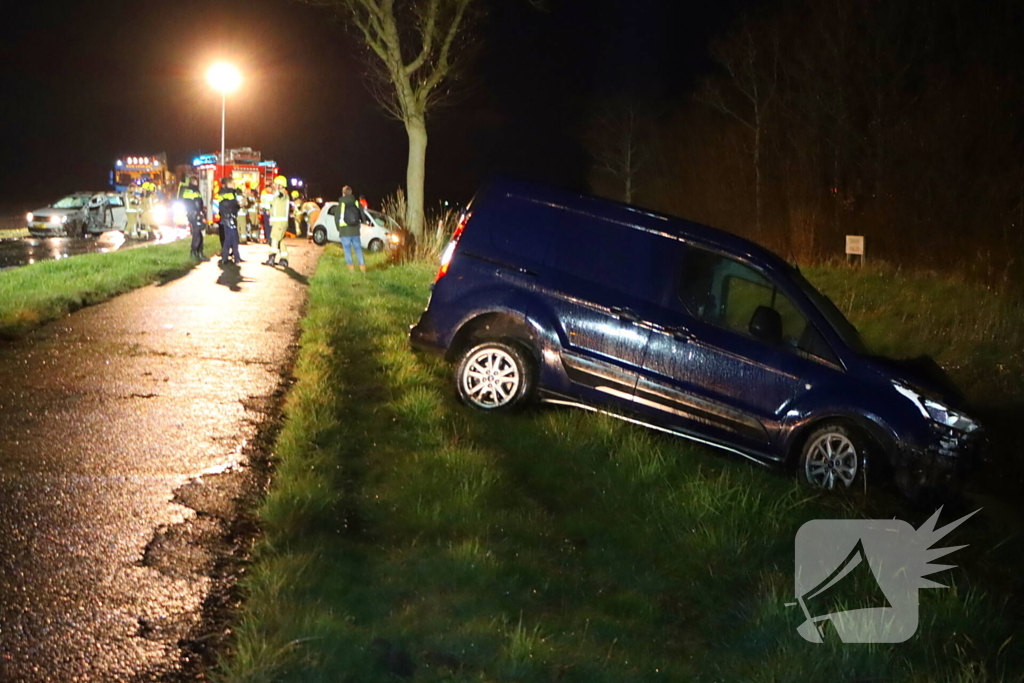
The alarming chain of events began around 1:00 AM on a Monday morning when a passerby alerted authorities to a severe accident beside the N59 in Zierikzee. A vehicle was found inverted in a dry ditch, its journey of destruction evident from the torn-up berm, dislodged poles, and a collision with a tree before it tumbled down an embankment. Emergency services, including firefighters, promptly arrived to secure the scene and inspect the wreckage. To their surprise, the vehicle was empty, the driver having seemingly vanished into the night.
A critical discovery within the crashed car provided immediate clues: opened bottles of strong alcoholic beverages, specifically cognac and whisky. This finding immediately raised suspicions of impaired driving. Meanwhile, as the scene was being processed, authorities received information that the driver had reported himself to a local GP post. From there, an ambulance was dispatched, transporting the individual to a hospital in Goes for medical attention.
At the hospital, a doctor administered a blood test to the suspected driver, a 21-year-old man from Rotterdam. This crucial step aims to ascertain the presence and concentration of alcohol and/or drugs in his system. The vehicle, a testament to the severity of the Ongeval Zierikzee, was subsequently towed away and seized by the police as part of the ongoing investigation. The driver currently faces accusations of both leaving the scene of an accident and potentially driving under the influence of alcohol or drugs. He is expected to be formally questioned once the blood test results are available, adding another layer to the legal proceedings.
The Alarming Trend of Impaired Driving on Zeeland's Roads
The Zierikzee N59 crash is unfortunately not an isolated incident, reflecting a broader, concerning trend of impaired driving on Zeeland's roads and across the Netherlands. Driving under the influence of alcohol or drugs significantly impairs a driver's judgment, reaction time, coordination, and perception, drastically increasing the risk of accidents. The discovery of open liquor bottles at the scene strongly suggests alcohol as a contributing factor in this particular case.
Adding to the concern, another severe Ongeval Zierikzee occurred on the Nieuwe Koolweg (N59) on a Sunday morning around 7:30 AM. In this separate but equally serious incident, a driver lost control, veering off the road, rolling over multiple times, and striking a lamppost before coming to a rest on its side. While the driver in this instance did not flee the immediate scene, police apprehended them on suspicion of excessive alcohol consumption, with reports even suggesting the involvement of cocaine. This highlights that impairment is not limited to alcohol and can involve various illicit substances, each carrying its own set of dangers.
The presence of both alcohol and other drugs in road incidents creates a complex challenge for law enforcement and road safety advocates. The combination of substances can have unpredictable and even more severe effects on a driver's capabilities. Understanding the full scope of such incidents is crucial for developing effective prevention strategies. For more details on the initial findings, read our related article: Zierikzee N59 Crash Probe: Liquor Bottles & Suspected Drug Use.
Fleeing the Scene: Legal Repercussions and Ethical Considerations
The decision to flee the scene of an accident, commonly known as a hit-and-run, carries severe legal consequences that often outweigh any perceived benefit of escape. In the Netherlands, leaving the scene of a traffic accident, especially when there's property damage or injury, is a serious offense. This charge is separate from, and in addition to, any charges related to impaired driving.
Drivers might flee for various reasons: panic, fear of legal repercussions (especially if intoxicated or unlicensed), or to avoid responsibility for damage or injury. However, the law is clear: every driver involved in an accident has a legal and ethical obligation to remain at the scene. This allows for proper documentation by authorities, exchange of information with other parties, and ensuring that anyone injured receives immediate medical attention. By fleeing, drivers not only break the law but also deny potential victims crucial assistance and information, exacerbating an already traumatic situation.
The 21-year-old Rotterdam driver involved in the Zierikzee N59 crash now faces the compounding charges of leaving the scene in addition to potential DUI/drug charges. These can result in significant fines, imprisonment, loss of driving privileges, and a criminal record that can impact future employment and travel. The legal system views fleeing as an act of deliberate evasion, often leading to harsher penalties than if the driver had stayed and cooperated.
Consequences Beyond the Crash: Public Safety and Prevention
The impact of incidents like the Ongeval Zierikzee extends far beyond the immediate damage to vehicles and infrastructure. They pose significant threats to public safety, tying up vital emergency resources and causing considerable disruption to daily life. Road closures, such as the several hours the Nieuwe Koolweg (N59) was shut down for clean-up and recovery in the Sunday incident, affect commuters, local businesses, and public services, creating a ripple effect of inconvenience and economic cost.
From a societal perspective, every accident caused by impaired driving is preventable. Education and awareness campaigns play a crucial role in highlighting the dangers of driving under the influence. Stricter enforcement, regular roadside checks, and advanced testing technologies help deter potential offenders. However, personal responsibility remains the cornerstone of road safety.
Practical tips for drivers to prevent such incidents include:
- Plan Ahead: If you intend to drink alcohol or use substances, plan for alternative transportation like a designated sober driver, taxi, public transport, or ride-sharing services.
- Speak Up: If you see a friend or family member attempting to drive impaired, intervene. Offer them a ride, call a taxi, or encourage them to stay put.
- Stay Informed: Understand the legal limits and the effects of different substances on your driving ability.
For witnesses of an accident, particularly one involving suspected impaired driving or a fleeing driver, it is critical to:
- Prioritize Safety: Secure your own safety and that of others.
- Call Emergency Services: Report the incident immediately to 112, providing precise location details and any information about the vehicle or driver.
- Do Not Approach Danger: If the driver seems aggressive or impaired, keep a safe distance.
- Note Details: If safe to do so, observe and remember crucial details like the vehicle's make, model, color, license plate, and the direction it fled. This information can be invaluable to the police investigation.
Incidents involving impaired drivers and those who flee the scene are a stark reminder of the fragile nature of road safety and the collective responsibility we all share in maintaining it. For more insights into how these incidents affect road users, you can read our article on the aftermath: Zierikzee Road Chaos: N59 Closed After Driver's Suspected DUI Crash.
Conclusion
The Zierikzee N59 crash, with its fleeing driver and suspicions of DUI and drug use, serves as a powerful and grim reminder of the profound risks associated with impaired driving and the serious legal and ethical breaches of leaving an accident scene. The ongoing police investigation into this Ongeval Zierikzee highlights society's firm stance against such reckless behavior. Ensuring road safety is a shared responsibility, demanding vigilance, adherence to laws, and ethical conduct from every road user. By choosing responsible driving practices and supporting law enforcement efforts, we can collectively work towards safer roads for everyone in Zierikzee and beyond, preventing future tragedies and holding accountable those who endanger others.